Unified Multi-Spectral Inspection
6 modalities in one platform
Replace separate LiDAR surveys, UT thickness gauging, thermal scans, and visual inspections with a single autonomous pass.
Solutions · Energy & Infrastructure
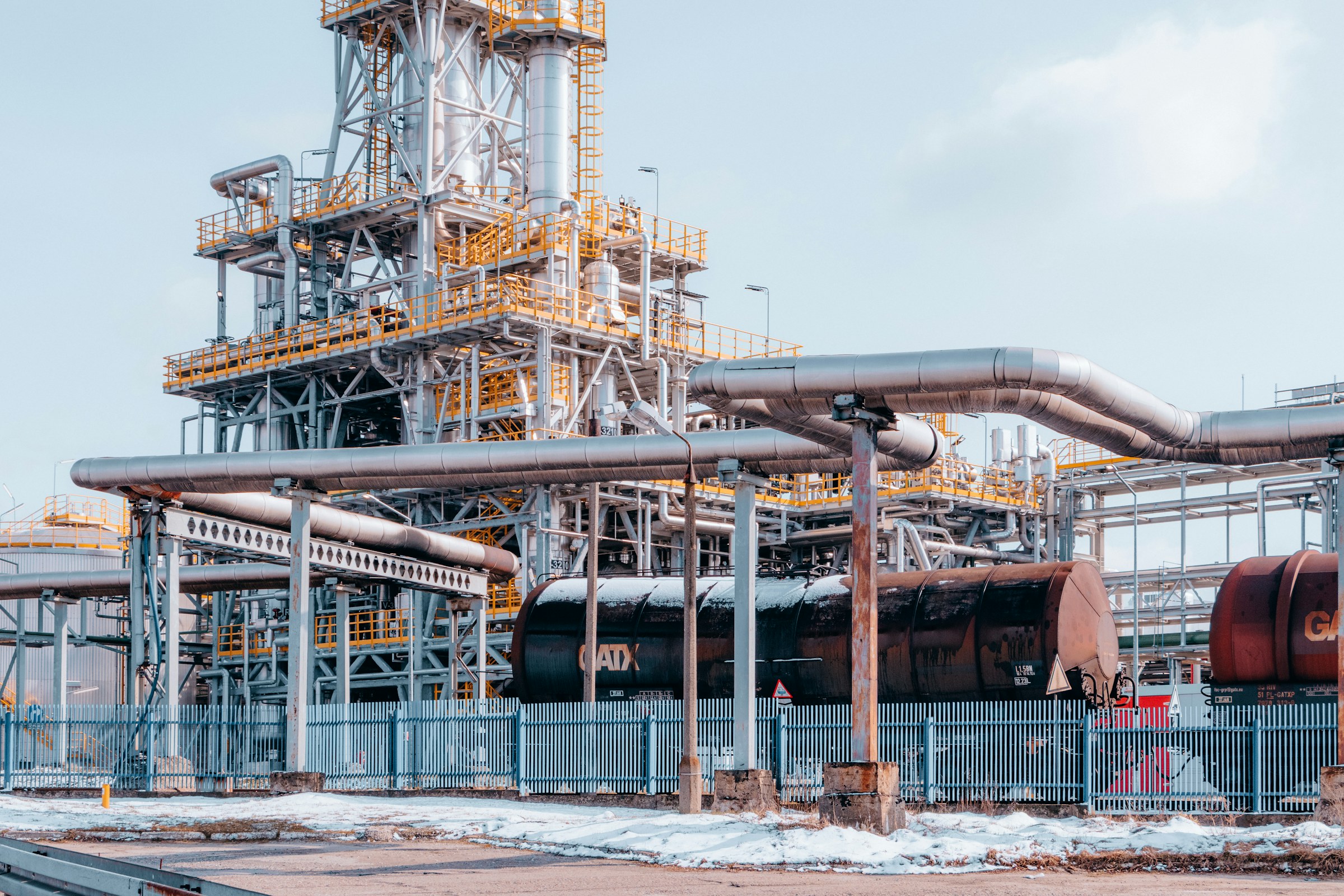
ATLAS brings autonomous multi-spectral inspection to pipelines, pressure vessels, wind turbines, and power plants — detecting corrosion, wall thinning, and structural fatigue before failures cause outages or safety incidents.
The problem
Energy infrastructure ages invisibly. The average US pipeline is over 50 years old. Pressure vessels, turbine blades, and structural supports operate under constant thermal and mechanical stress.
Inspection mandates are increasing in scope and frequency, but the tools have not kept up — different instruments for different defect types, confined-space entry permits, and manual data collection that produces inconsistent results.
When inspection fails, the consequences are catastrophic: unplanned outages, environmental incidents, and safety events. Reactive maintenance is no longer acceptable.
The solution
ATLAS replaces fragmented inspection tooling with a single autonomous platform. Ground-penetrating radar sees through surfaces to 12 inches. Ultrasonic sensors measure wall thickness to 0.01mm. Thermal imaging detects hot spots with ±0.02°C sensitivity. Hyperspectral identifies material degradation invisible to cameras.
The modular sensor head adapts to pipes, vessels, towers, and turbine blades — same platform, different configuration. ATLAS Connect AI correlates multi-spectral data to prioritize repairs, forecast failures, and build longitudinal asset health records.
No more fragmented inspection reports from different vendors using different tools.
Key benefits
Four shifts in how energy operators manage critical asset integrity.
6 modalities in one platform
Replace separate LiDAR surveys, UT thickness gauging, thermal scans, and visual inspections with a single autonomous pass.
GPR 12 in · UT 0.01 mm
Detect internal corrosion, wall thinning, voids, and weld defects without cutting into the asset.
Zero confined-space entries required
ATLAS navigates pipelines, vessel interiors, and restricted access areas autonomously. Remove personnel from hazardous inspection environments.
94% accuracy · 6-mo horizon
Move from calendar-based to condition-based maintenance. Know which assets need attention before they fail.
Use cases
Pipelines, vessels, turbines, plants — one autonomous platform, four mission profiles.
GPR, ultrasonic, and thermal sensors detect internal corrosion, wall thinning, and coating failures across pipeline networks. ATLAS scans externally and in-line, building continuous integrity records for each segment.
Ultrasonic wall thickness measurement at 0.01mm accuracy combined with thermal and eddy current sensing. Detect stress corrosion cracking, hydrogen-induced cracking, and weld defects without taking vessels offline.
Hyperspectral and thermal imaging detect leading-edge erosion, lightning damage, and internal delamination in composite blades. LiDAR maps structural deformation in towers. One platform replaces rope-access teams and separate drone surveys.
Boilers, heat exchangers, cooling towers, and structural steel — ATLAS inspects critical infrastructure across the plant with six sensor modalities. Thermal imaging finds insulation failures. Ultrasonic quantifies material degradation. Eddy current detects fatigue cracking.
Next step
Our team will assess your inspection requirements and show you how ATLAS replaces fragmented tooling with a single autonomous platform.
 arachnid systems