Blog FAQ Downloads

Resources

Field notes,
technical briefs, and
everything in between.

The MRO super-cycle, multi-spectral sensing, the FAA-records moat, and the road from prototype to program-of-record. Read it, ask about it, request the whitepapers.

Blog

Latest from the team.

Long-form notes on the forces reshaping aircraft maintenance — written by the engineers building ATLAS, edited for technical readers (not search engines).

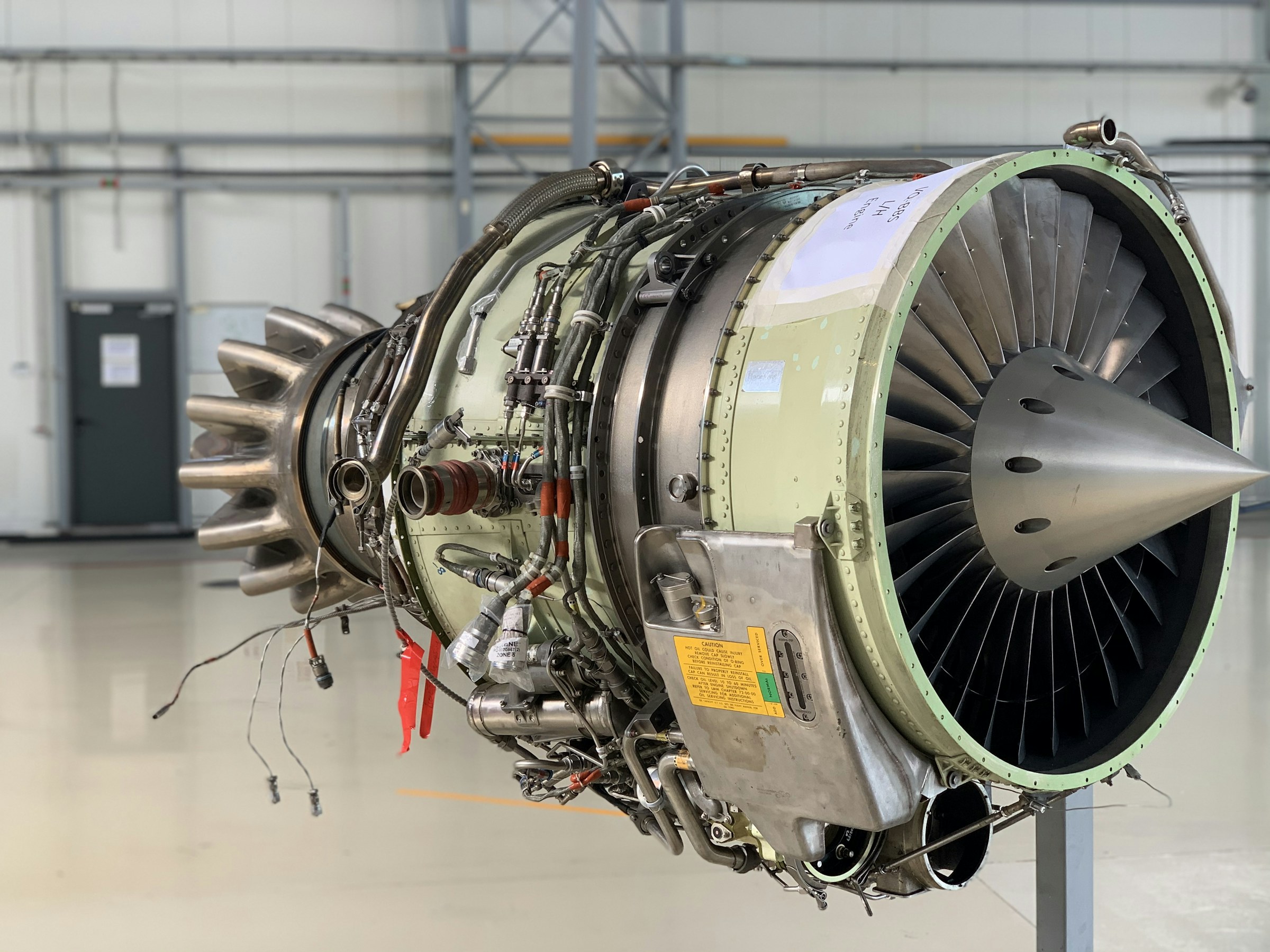
MRO industrial machinery
Industry analysis · April 2026

The MRO Super Cycle: Why Autonomous Inspection Is Inevitable

The global MRO market grows from $119.7B to $156B by 2035. The fleet adds 9,300 aircraft. The certified-inspector pool doubles its open headcount. Manual inspection cannot scale through this — here is what changes.

Read
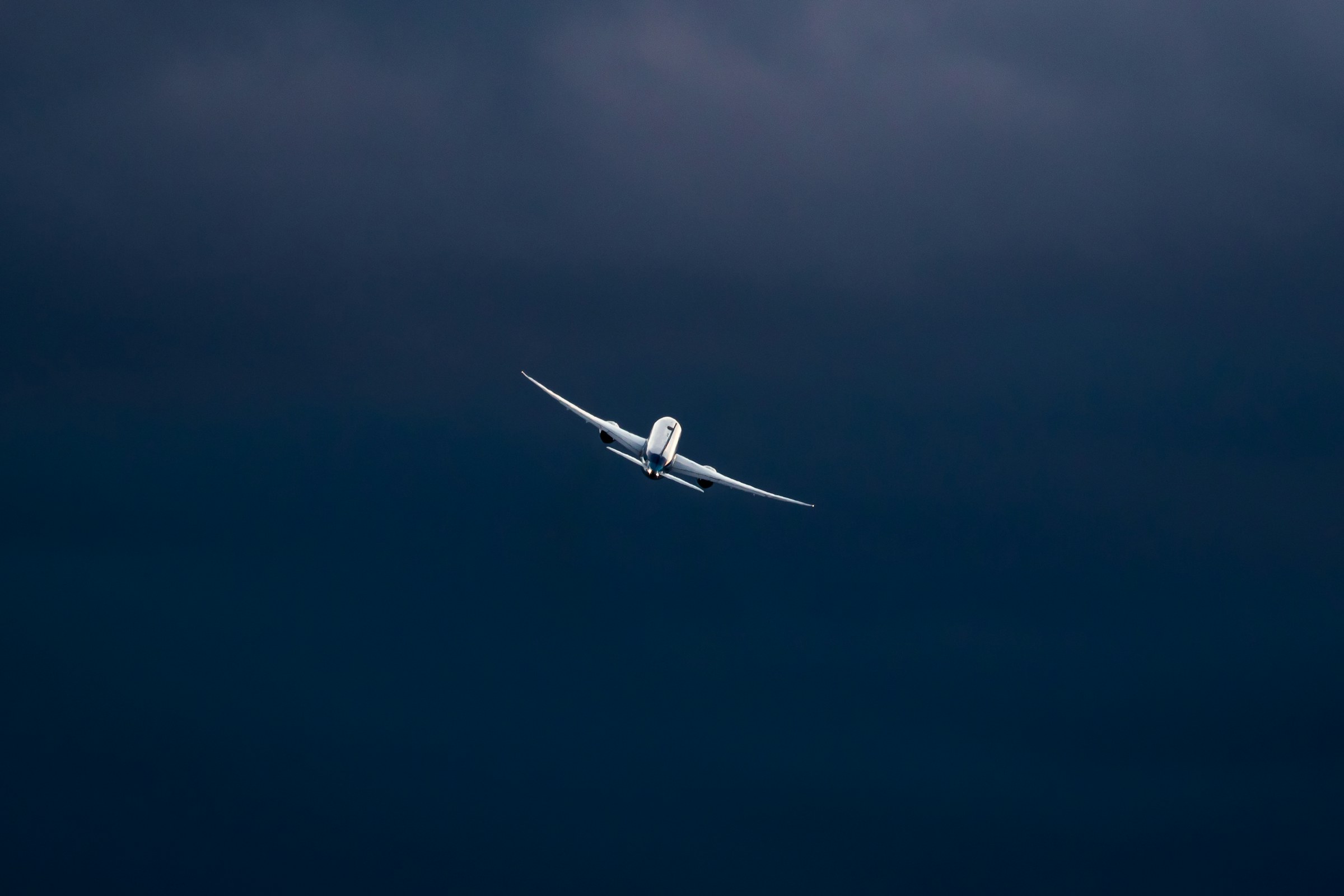
Aircraft in flight
Workforce · May 2026

40,000 Mechanics Short by 2028: The Aviation Workforce Crisis

North American aviation maintenance is 40,000 technicians short by 2028. Training a certified inspector takes 18-24 months. The defense side faces the same gap on a faster clock — CV-22 at 30.45% mission-capable.

Read
Multi-spectral data pattern
Technology · June 2026

Six Sensors, One Platform: Multi-Spectral vs. Visual-Only Inspection

Donecle uses one sensor. Gecko uses two. ATLAS integrates six — hyperspectral, LWIR thermal, LiDAR, laser profilometry, radar NDT, polarimetric RGB. A side-by-side detection-capability comparison.

Read
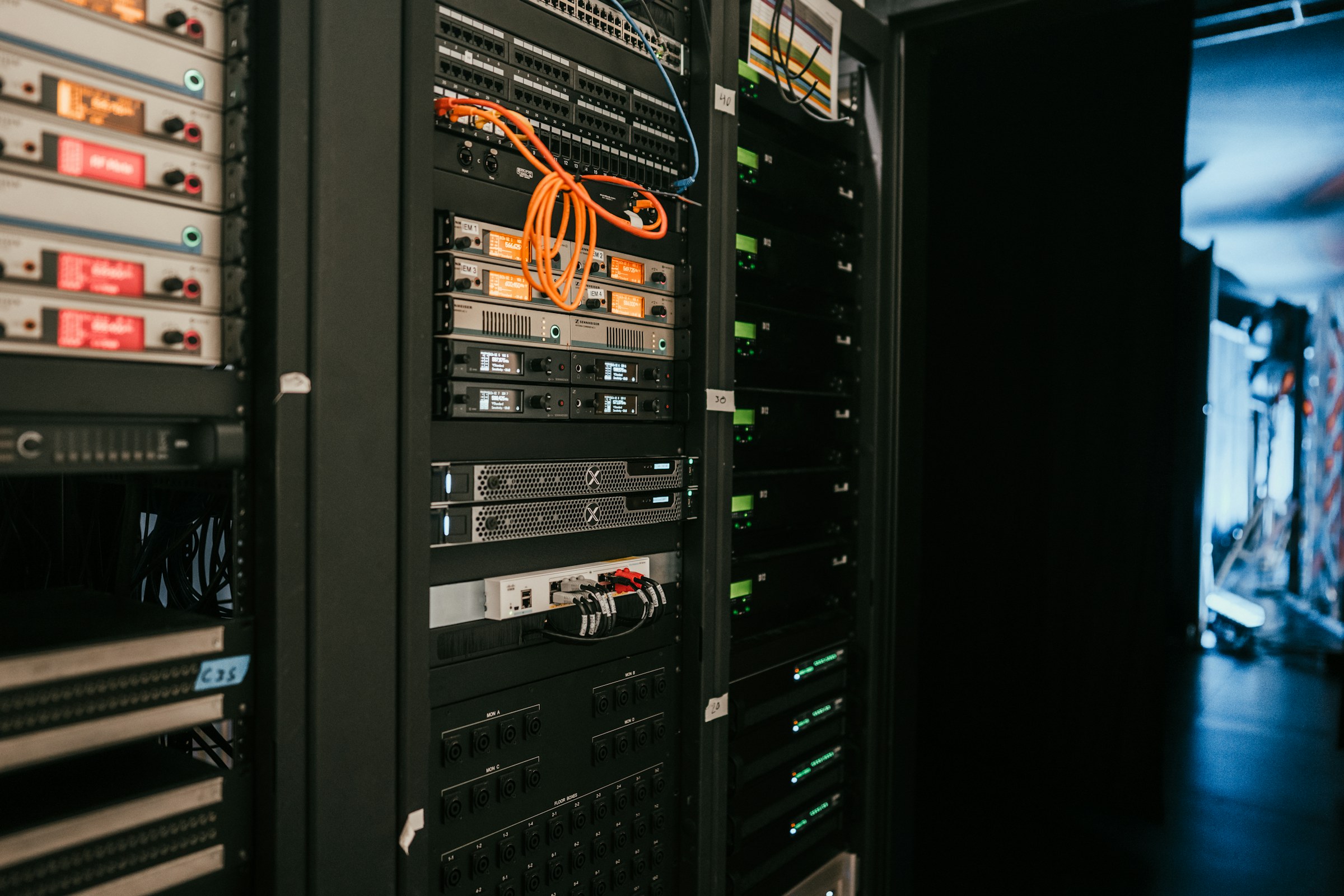
Server room data infrastructure
Product deep dive · June 2026

From Detection to Prediction: Forecasting Failures 6 Months Out

LSTM and XGBoost models trained on 16M+ flight hours achieve 94% accuracy at a 6-month prediction horizon, 87% at 12 months. Inside the AI behind ATLAS Connect's prediction layer.

Read
Helicopter cockpit operation
Regulatory · July 2026

The FAA-Records Moat: Why Manuals Integration Is the Hinge

Seven phases from classification to industry standard. Phase 3 — Manual Integration into GMM/CAMP and RSM/QCM — is where autonomous inspection becomes legally distinguishable from a science experiment.

Read
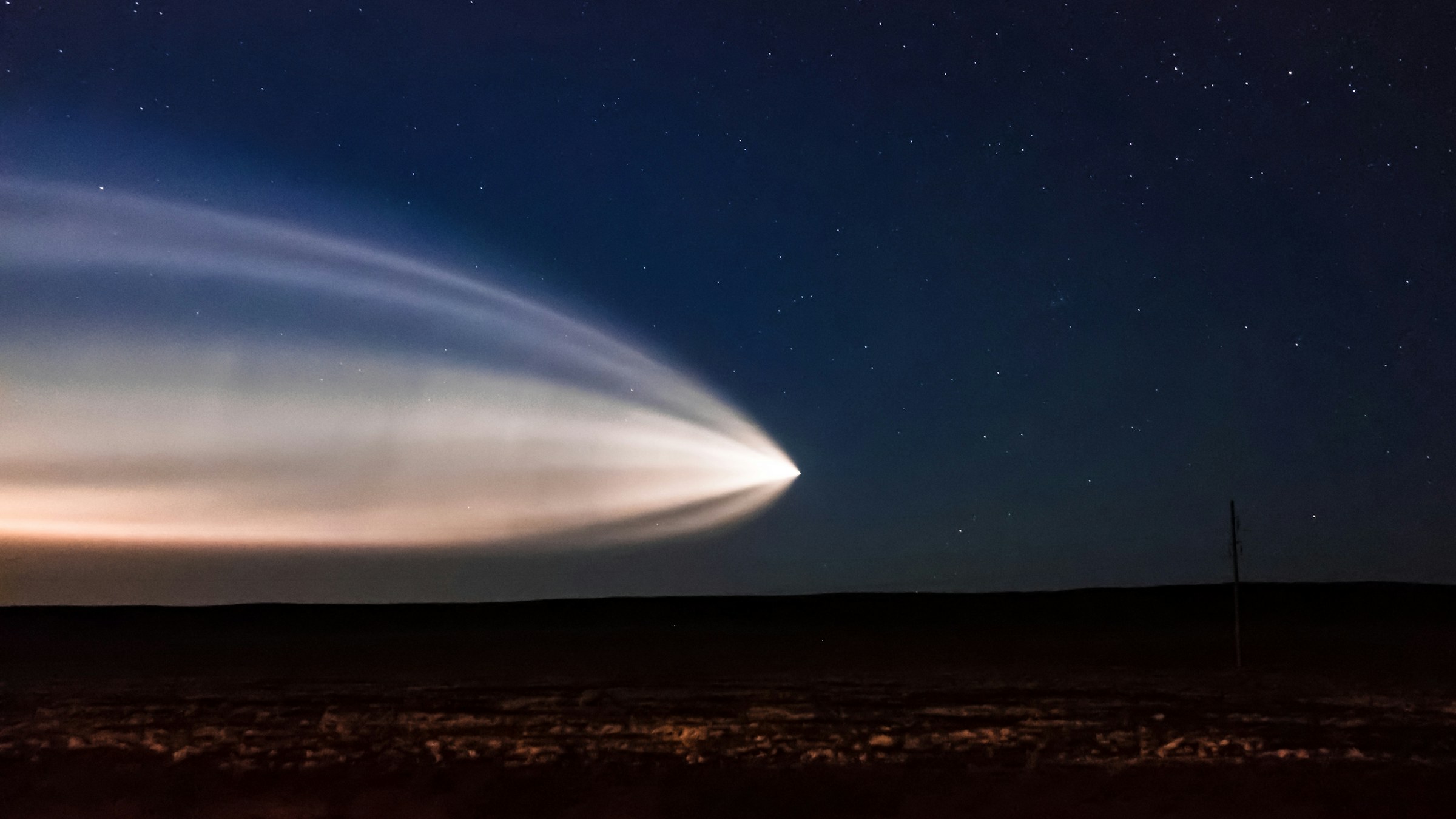
Night-time rocket launch lights
Space · September 2026

$98 Billion and Counting: What Artemis Tells Us About Launch-Cadence Inspection

NASA's flagship lunar program is 4+ years behind schedule with $98B in cost overruns — partially attributed to inspection-detection gaps. The economics of New Space cannot run on the old inspection model.

Read
View all posts

FAQ

Questions we get
every week.

Direct answers — no marketing hedging. If your question isn't here, send it to the engineering team.

What exactly is ATLAS?

ATLAS is an autonomous multi-sensor robotic inspection platform for aerospace and defense assets. One scan pass replaces 3-4 mechanics × 6+ hours of manual inspection with a single 0.5-FTE operator monitoring an 18-25 minute autonomous sweep — at 98% defect-detection accuracy.

The platform has three layers: ATLAS Ground (the robot — 141 ft working height, covers all commercial airframes), ATLAS Connect (the AI + records layer with a three-agent AI architecture), and the forthcoming ATLAS Visor VR headset for technician augmentation.

Which six sensor modalities does the platform use?

The current production sensor head fuses six complementary modalities:

Hyperspectral (Headwall Nano / Specim FX17) · LWIR Thermal (FLIR A615) · LiDAR (Ouster OS1-128) · Laser Profilometry (Keyence LJ-X8000) · Radar-Based NDT (custom UWB / mmWave) · Polarimetric RGB (Lucid Phoenix Triton Pol).

All six are fused on a 6-DOF stabilised gimbal head, processed on-device by an NVIDIA Jetson AGX Orin 64GB. See the Sensor Head page for per-modality specs.

Is ATLAS FAA certified?

FAA Part 107 certified for unmanned operations. The records / manuals-integration pathway is in progress — a 7-phase process mapped with Caprico Consulting Group covering Classification, Validation & Equivalency, Manual Integration (the hinge), Training & Human Authority, Operational Approval, Data & Recordkeeping, and Scale & Standardization. See the FAA pathway section on the Platform page.

Is the platform ITAR compliant?

Yes. ATLAS is designed, manufactured, and operated in the United States. Inspection data is encrypted at rest and in transit with AES-256. On-device edge compute enables classified and air-gapped operating environments. CMMC pathway is in progress for DoD-contract readiness. MIL-STD-461 EMC, −40 °F to 130 °F operational envelope.

How does ATLAS integrate with our existing MRO software?

ATLAS Connect outputs flow directly into the major MRO platforms — AMOS · Trax · Rusada · Quantum — via standard data contracts. Reports are FAA / EASA-compliant by default. Critical safety-of-flight alerts trigger immediate notification. Records carry a blockchain-verified audit trail for Part 121 / 135 / 145 inspections, and the defect taxonomy is aligned with aircraft maintenance manuals (AMMs).

What engagements are active today?

Commercial: 90-day engagement complete on a 737-800 — FEAM Aero engagements underway in parallel. Boeing exploratory, actionable post-FAA approval. 20-aircraft narrowbody-lessor LOI signed.

Government: NASA Kennedy Space Center (Artemis-tied spacecraft infrastructure) · AFRL (hyperspectral composite analysis R&D) · DIU (under evaluation for F-35 depot-level inspection). Army, SOCOM, Navy, USAF demos scheduled in the next six months. Vandenberg support-infrastructure contracts targeted.

How much does it cost?

Per-inspection economics for 737-class narrowbody: $163-$325 with ATLAS vs. $1,200-$1,800 manual. At 100 inspections per year per aircraft, that's a saving of $88K-$164K annually per airframe. The United Airlines 737 fleet example: $1.3B current annual inspection cost → $65M with ATLAS = $1.2B saved per year.

Programmatic pricing (per-scan, dedicated, hybrid) is structured against your specific deployment. Talk to us.

When does ATLAS Visor (the VR headset) ship?

Targeted for 2027. ATLAS Visor is the technician-augmentation extension — a wearable AR/VR headset carrying miniaturised thermal + hyperspectral modules, with real-time defect-overlay on hands-on maintenance, repair-procedure recall, and remote-expert collaboration. Built on HoloLens / Magic Leap / custom-optics carriers. <150g per module, USB-C PD powered, edge-AI inference on the headset SoC.

If your team is interested in the early-access program, let us know.

Who's on the team?

Five co-founders with prior hardware experience inside the organisations that already run aerospace and defense:

Benjamin Perez — CEO (Apple, Kongsberg, Yokohama, GM) · Priyan Rai — CTO (Unreal Engine, Nokia, Rakuten, T-Mobile) · Ellie Kuang — Head of Product (Lockheed Martin, NASA, Caltech, Disney) · Nicholas Bosticco — VP Engineering (Apple, Trackonomy, Tesla, Ethicon / J&J) · Stephen Sopko — VP Business Development (USAF, Oracle, Palisade Compliance, integreon).

Full bios on the About page.

Downloads

Technical briefs
and whitepapers.

Detailed technical material lives behind a request gate — confidential to authorised recipients only. Tell us who you are; we'll send the file the same business day.

PDF · 13 pages Request access ↗

Technology Primer

The end-to-end product story — universal sensor head, fleet-learning network, business model, market opportunity, and the team. The deck we send engagement prospects and strategic partners.

Request
PDF · 8 pages Request access ↗

ATLAS Ground Platform Solution

Sensor architecture, autonomy stack, power budget, deployment configurations, and key operational risks. The engineer-to-engineer document. April 2026.

Request
PDF · 15 pages Request access ↗

SOFWERX Whitepaper — Defense Maintenance

DoD-focused technical brief: workforce crisis, ROI model, multi-platform scalability, ITAR posture, F-35 ALIS integration. 19-day payback on a 40-aircraft fighter squadron.

Request
PDF · 3 pages Request access ↗

Product Specifications

System architecture, per-modality sensor specs, performance benchmarks, AI/ML capabilities. The reference sheet your procurement and engineering reviewers will want.

Request
PDF · 2 pages Free download

Aviation MRO One-Pager

The 30-second pitch for commercial-aviation maintenance executives. validation, ROI math, integration with AMOS/Trax/Rusada/Quantum.

Download
PDF · 2 pages Free download

Defense Capabilities Overview

ITAR posture, MIL-STD-461 EMC, AES-256, <2-hr rapid deployment, F-35 ALIS / CAMS / IMDS integration. For the procurement team.

Download

All confidential briefs are released under a one-page NDA. We respond to access requests within one business day.

Talk to engineering

Something we haven't published yet?

Our engineering team answers technical questions directly. If you want a sensor-fusion walkthrough, a custom ROI model for your fleet, or a live demo at your facility — start here.

Schedule a demo ben@arachnidsys.com
ARACHNID arachnid systems