Six-Modality Sensor Fusion
Hyperspectral · LWIR thermal · LiDAR · laser profilometry · radar-based NDT · polarimetric RGB — fused in a single autonomous pass. 24-36 months ahead of nearest viable competitor in multi-sensor fusion.
Autonomous aerospace & defense inspection
Prevent incidents with Arachnid Systems. Our AI-powered, multi-sensor robotics delivers predictive defect detection for aerospace, energy, and infrastructure.







The Platform
ATLAS integrates six sensor modalities into a single autonomous platform — replacing fragmented inspection tooling with one system that sees surface, subsurface, and structural defects in a single pass.
Hyperspectral · LWIR thermal · LiDAR · laser profilometry · radar-based NDT · polarimetric RGB — fused in a single autonomous pass. 24-36 months ahead of nearest viable competitor in multi-sensor fusion.
Complete narrowbody inspection in 18-25 minutes with 99.5% surface coverage. Manual methods take 6+ hours and cover 60-70% through sampling.
Audit-ready records and predictive-maintenance outputs become subscription revenue once data has legal standing under FAA-accepted manuals. ITAR + FAA = a moat competitors cannot simply buy.
Pick your industry
Select an industry to filter the proof points and articles below — or double-tap a card to open its full solution page.
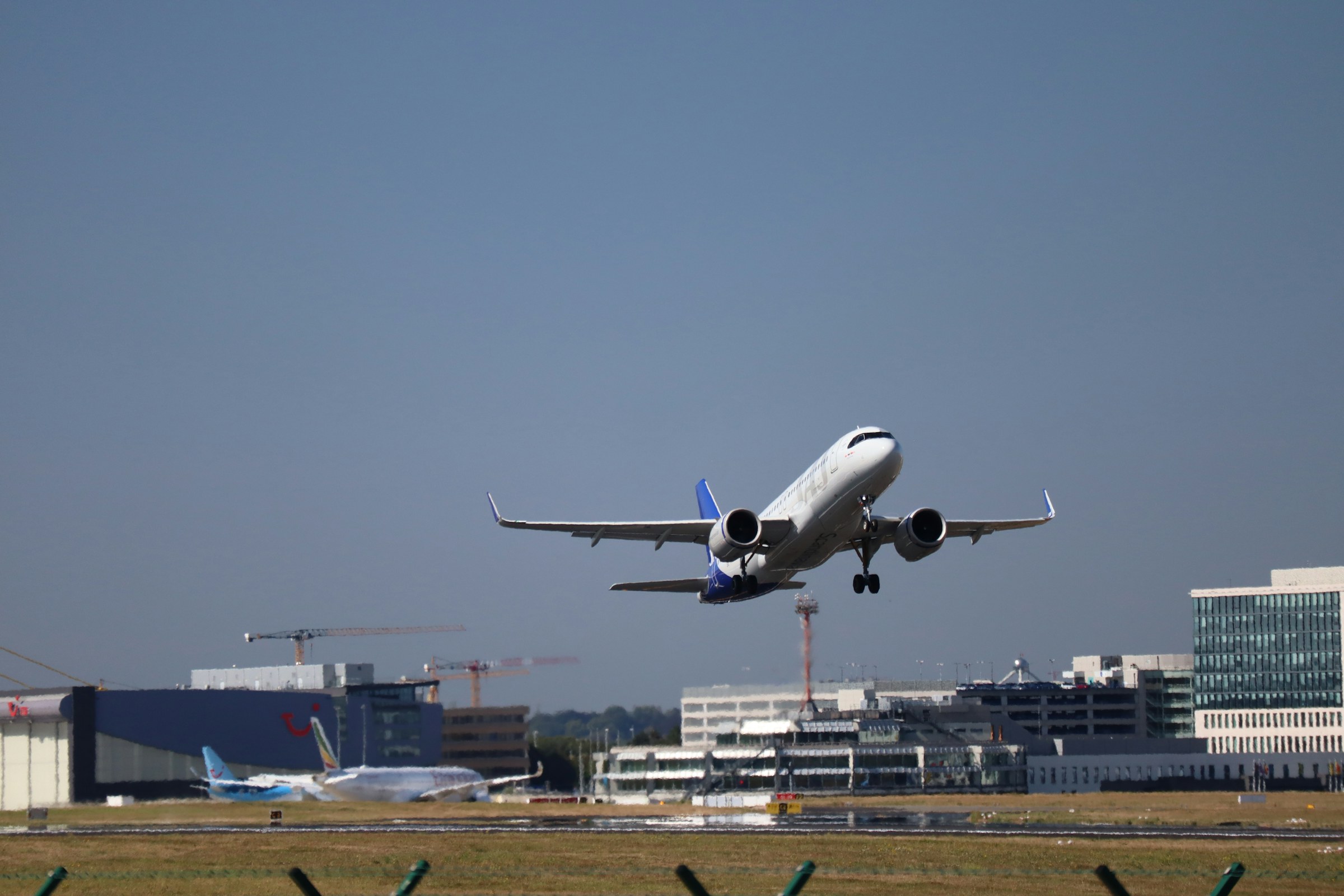
Full narrowbody inspection in 18-25 min. 99.5% critical-area coverage catches corrosion, fatigue cracks, and delamination that manual sampling misses.
Explore Aviation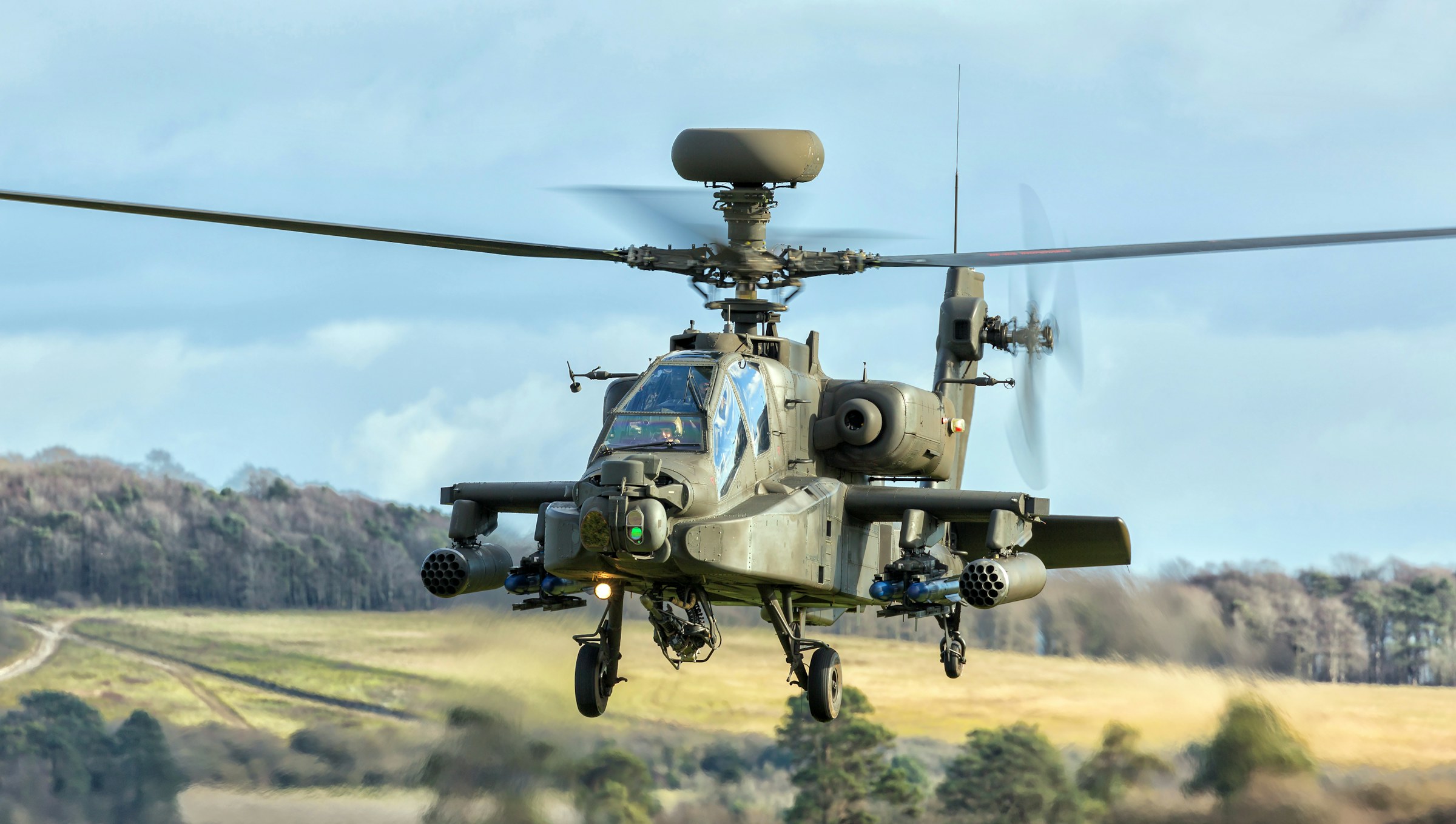
ITAR-compliant autonomous inspection for military aircraft and depot infrastructure. NASA KSC, AFRL, DIU active. Army · SOCOM · Navy · USAF demos scheduled.
Explore Defense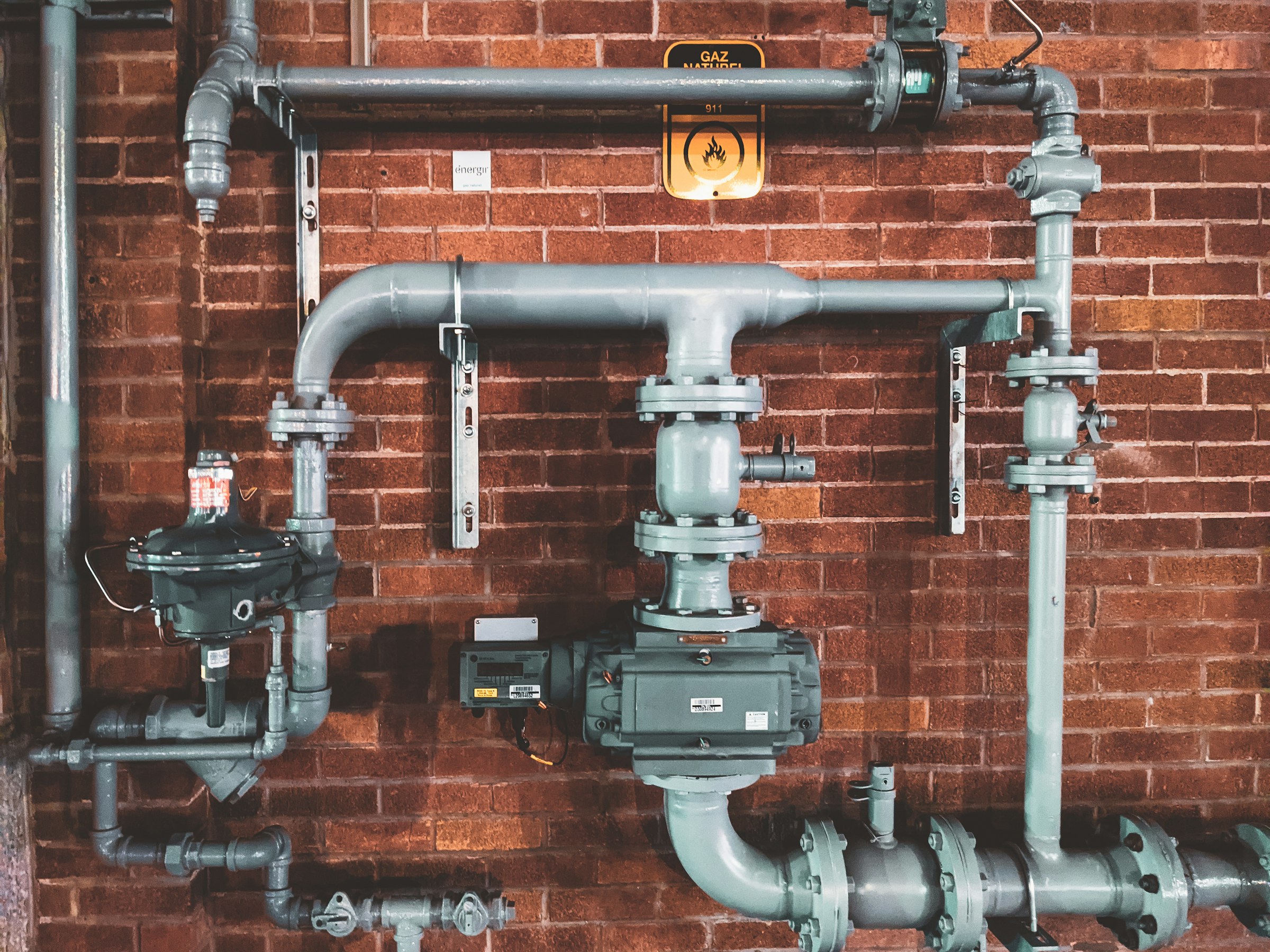
Pipelines, pressure vessels, wind turbines, power plants. Six sensors detect corrosion, wall thinning, and weld defects before failures cause outages.
Explore Energy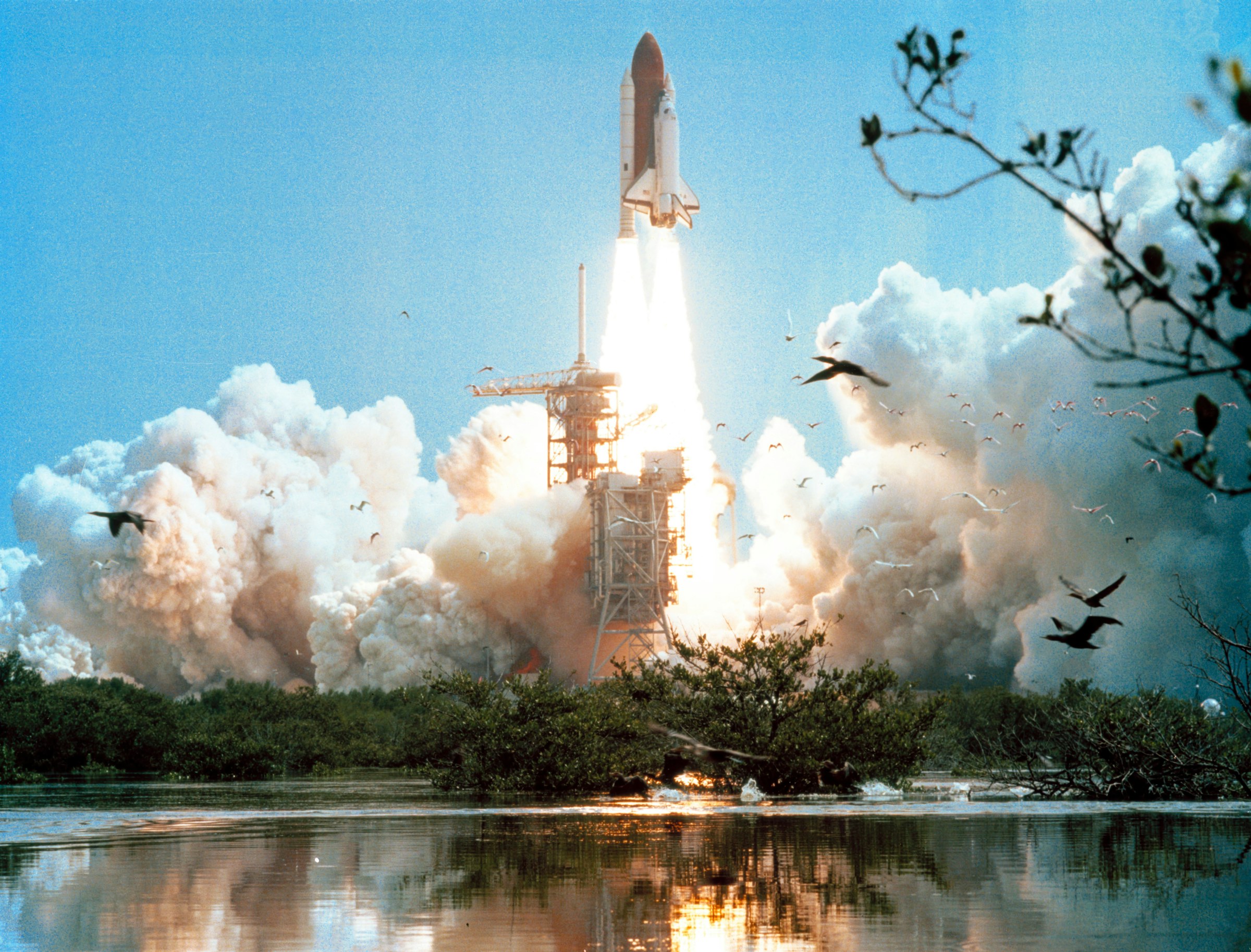
Launch vehicle structures, pad infrastructure, and ground support equipment inspected at the speed of your launch cadence. NASA KSC Artemis-tied engagement active. Vandenberg targeted.
Explore SpaceHow it works
From asset to actionable report in under twenty minutes. No scaffolding. No confined-space permits. No specialist crew.
Position the autonomous platform at your asset. ATLAS navigates aircraft exteriors and high-value infrastructure surfaces without manual guidance. 0.5 FTE on-site. Setup in minutes.
A single autonomous pass — hyperspectral, LWIR thermal, LiDAR, laser profilometry, radar NDT, and polarimetric RGB — fused on-device. No human in the loop for the scan itself. One pass, complete data.
ATLAS Connect — turns the scan into FAA-aligned records, prioritised repair orders, and predictive-maintenance signals. Subscription revenue starts the moment data has legal standing.
Proven results
Every claim on this page is backed by an internal benchmark or peer-reviewed source. See methodology.
98%
Detection accuracy
<3% false positives
18-25 min
Full narrowbody scan
0.5 FTE replaces 3-4 mechanics × 6+ hours
99.5%
Critical-area coverage
vs. 60-70% with manual sampling-based inspection
73-86%
Cost reduction
$163-$325 per inspection vs. $1,200-$1,800 manual
What ATLAS gives you
A single platform that compounds with every airframe scanned. Customers do not buy a robot — they buy scans. Each scan flows through one universal sensor head, fed by the network of every deployed unit, and ends in four operating outcomes:
AI models trained on 16M+ flight hours of commercial aviation data. Every scan compounds the network. Each new airframe makes the next inspection sharper.
Six fused modalities find what cameras and human inspectors miss — corrosion under paint, composite delamination, subsurface fatigue, thermal disbonding.
Audit-ready records flow directly into AMOS · Trax · Rusada · Quantum MRO systems, with a blockchain-verified trail for Part 135 / 145 inspections.
98% of unscheduled maintenance prevented at fleet scale — $44.7 billion in lost revenue and unplanned repair spend avoided industry-wide.
We don't sell robots.
We sell scans.
Recurring revenue · growing moat · proprietary data. Annuals, scan volume, large contracts, and scale economics compound — projected to a $3.2B revenue stream in 2029.
Already deployed
Built by five co-founders from Lockheed Martin · NASA · Apple · Tesla · USAF · Oracle · Nokia · Epic Games — shipped real hardware inside the organisations that already run aerospace and defense.
FEAM Aero engagements underway in parallel.
NASA Kennedy: active Artemis-tied spacecraft infrastructure engagement. AFRL: active hyperspectral composite analysis R&D. DIU: under evaluation for F-35 depot-level inspection. Army · SOCOM · Navy · USAF demos scheduled.
Major narrowbody lessor — LOI signed for a 20-aircraft portfolio evaluation. Boeing exploratory, actionable post-FAA approval. Vandenberg support infrastructure contracts targeted.
Pipeline operator and wind-turbine OEM evaluations in early conversation. Same six-sensor head re-configured for corrosion, wall thinning, and weld-defect detection on energy assets. Partner slots open Q3 2026.
Insights
Field notes on the MRO super-cycle, sensor fusion, predictive maintenance, FAA regulation, and the workforce crisis driving autonomous inspection.
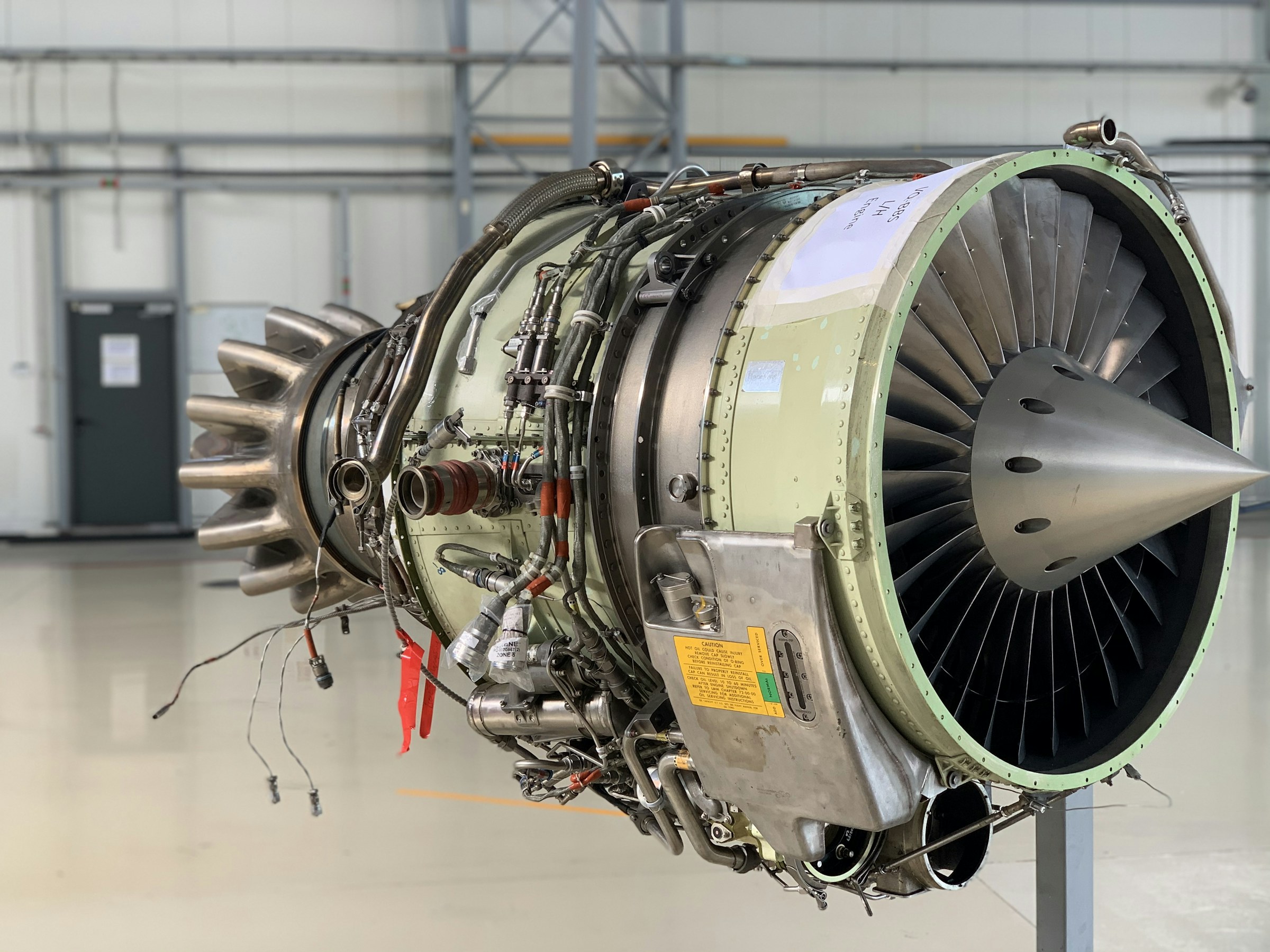
The global MRO market grows from $119.7B to $156B by 2035. Manual inspection cannot scale with it. Here is what changes.
Read
The shortage is not a forecast — it is already affecting fleet readiness. CV-22 mission-capable rates sit at 30.45%. Here is the math.
Read
Donecle uses one sensor. Gecko uses two. ATLAS integrates six. A technical comparison of detection capabilities across modalities.
Read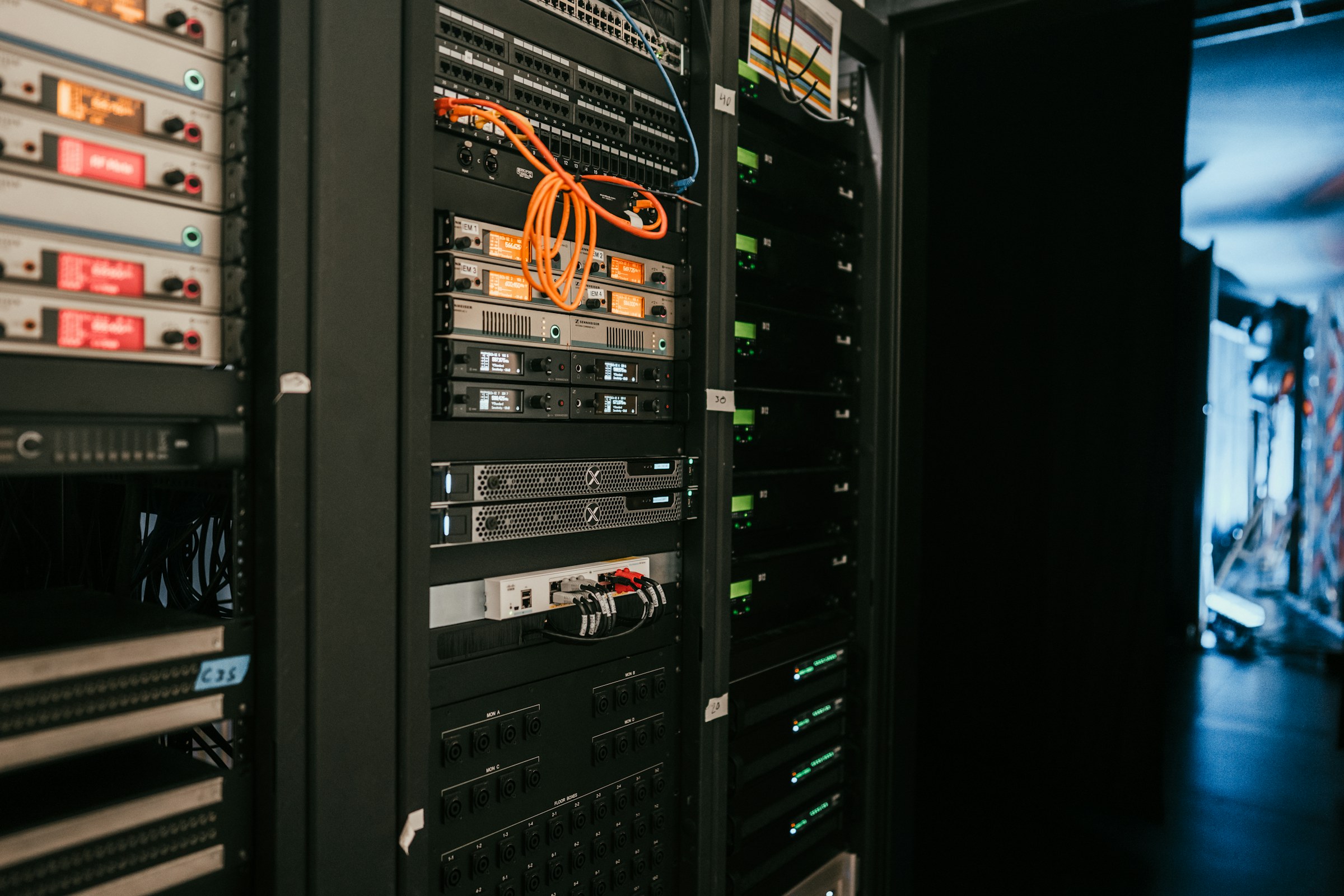
LSTM and XGBoost models trained on inspection data achieve 94% accuracy at a 6-month prediction horizon. Inside the AI behind ATLAS.
Read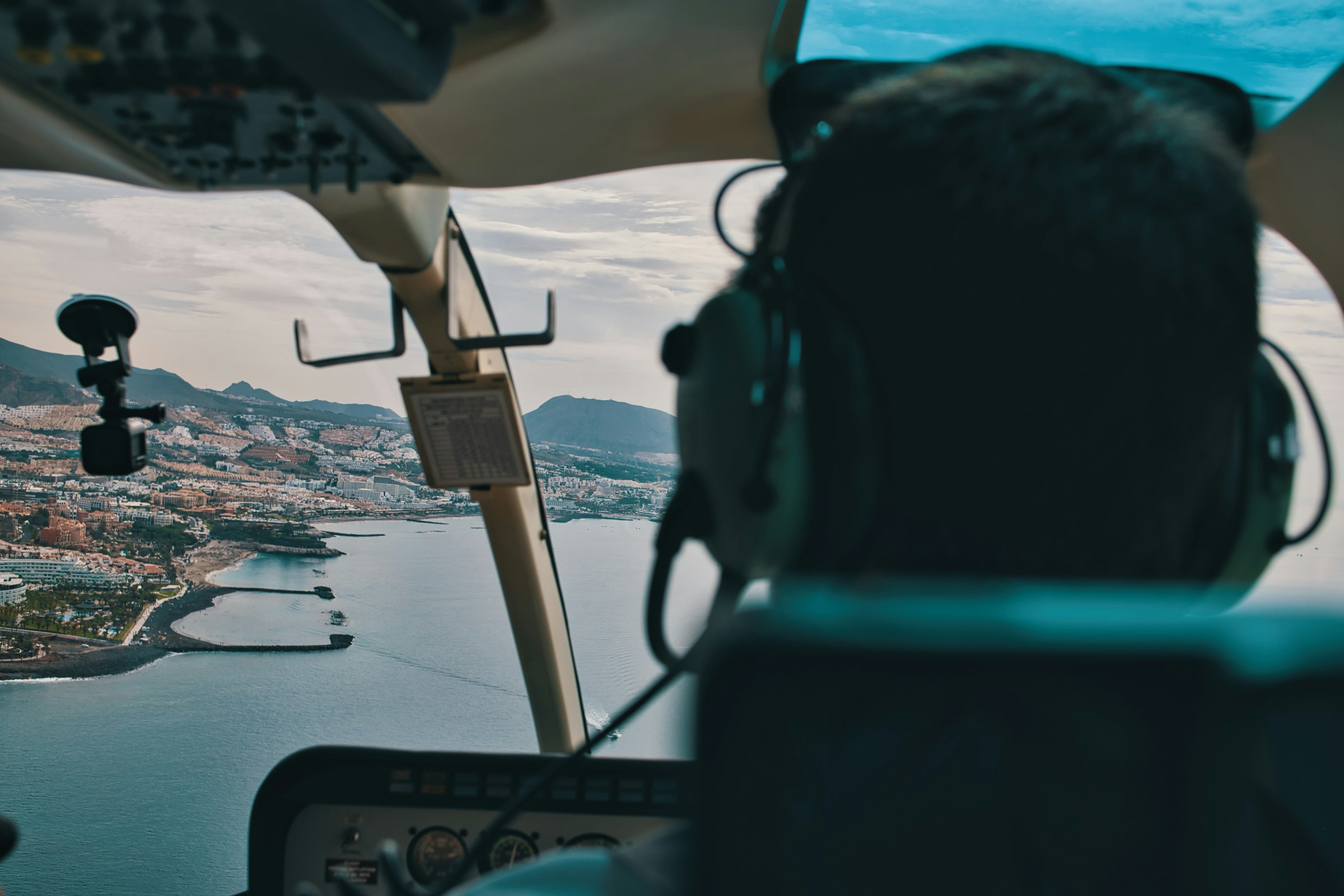
The seven-phase Caprico pathway, ITAR for foreign carriers, and why records-as-a-service is the durable competitive position.
Read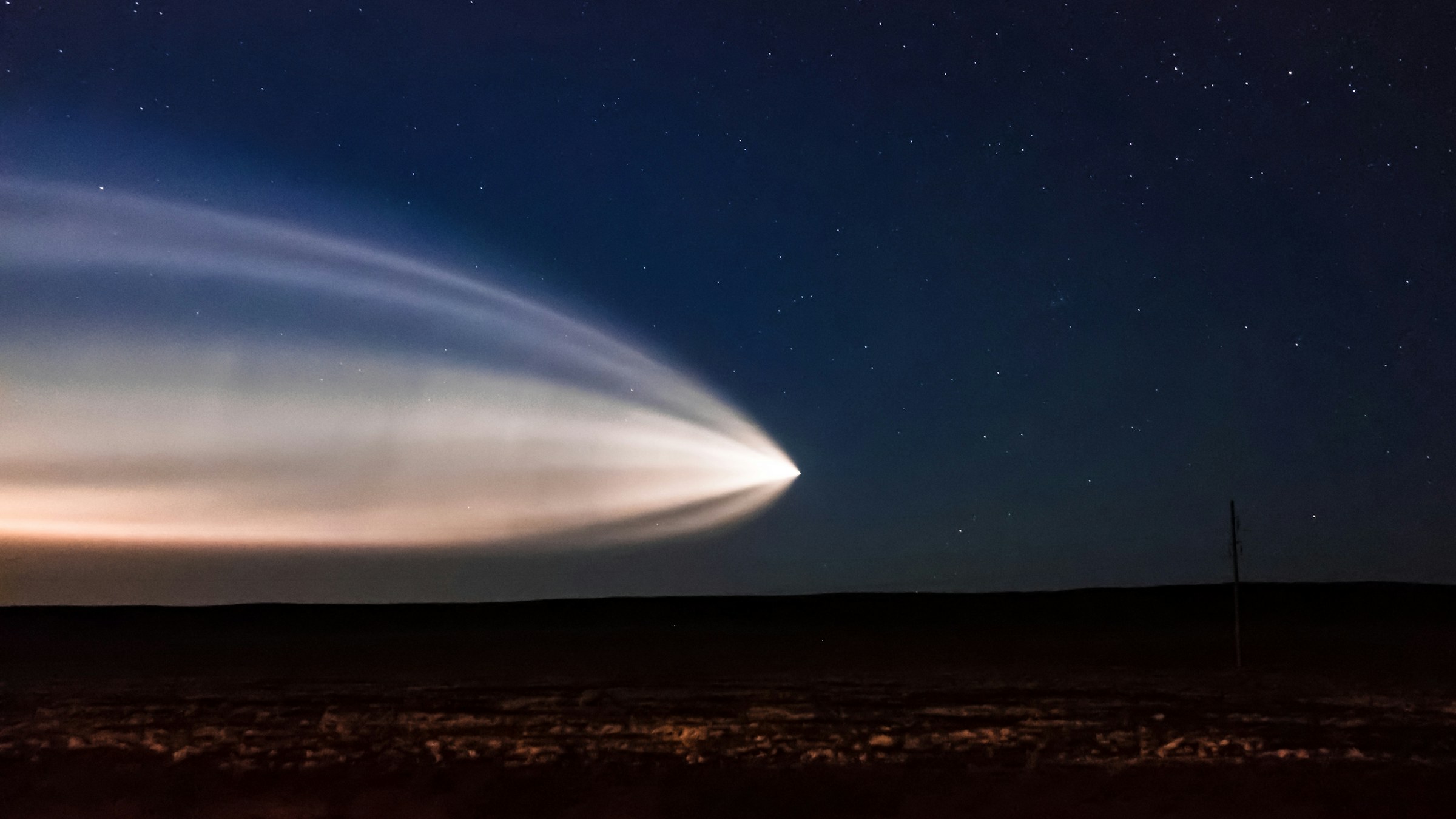
Artemis II got scrubbed for a hydrogen leak invisible to the eye. Launch cadence demands multi-spectral inspection. Here is the gap.
ReadGet started
Schedule a live demo with our engineering team. We will show you exactly what ATLAS detects — and what manual methods leave behind.
 arachnid systems